
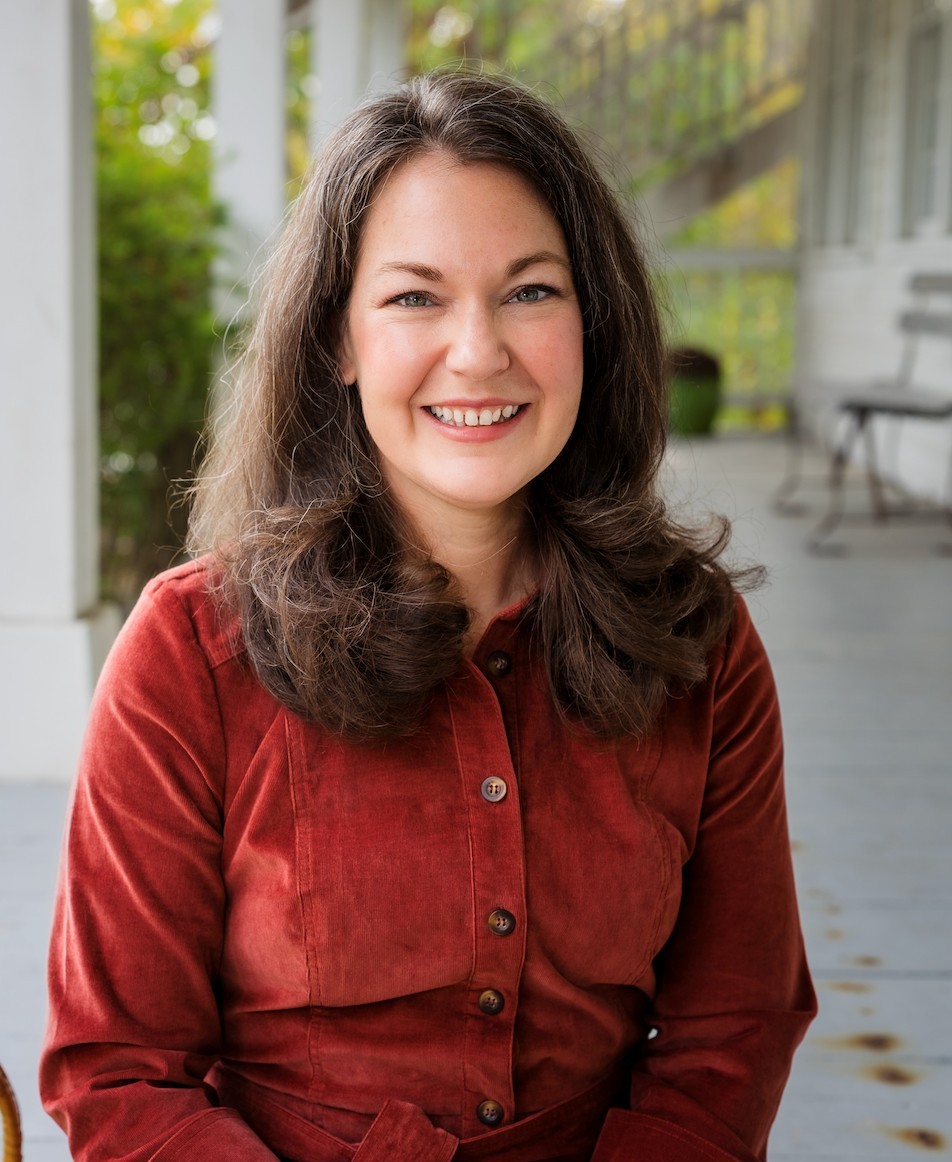
Experienced in the nonprofit, public, private and academic sectors, Tracy Swinburn is an analyst and researcher with over 20 years of experience in a variety of policy sectors. Before joining PPA, her work included managing complex research approaches with diverse stakeholder teams and developing methods for insight into hard-to-quantify questions. Her analytics experience includes cost benefit assessments, program evaluations, impact assessments, and qualitative research. Get to know this exciting member of our team in the spotlight below.
How did you become interested in public policy?
I think my interest in public policy began during my semester abroad in college. I lived in Salzburg, Austria, and, while travelling, I began to appreciate public policy when I saw how different it could be. Just a short train ride away I could be in a country with a very different social system.
You have a very rich resume with a lot of unique experiences, it is difficult to know where to begin. Can you tell us about your experience in England around the Olympics?
Well, thank you😊. I have been a fan of the Olympics for as long as I can remember, and I was excited to research the economic impacts of the Games for graduate school in the United Kingdom (UK). The economic impacts, and the measures of success, have varied widely at different Games. For example, the 1976 Montreal Olympics left the city in crippling debt for decades (caused in part by unfortunate high-inflation timing). Fearing the same fate, no cities wanted to host the 1984 Games, and the International Olympic Committee had to court Los Angeles with generous terms to host.
Less than a decade later, the 1992 Barcelona Games were widely seen as a transformational investment, putting the city on the map for tourists and corporate headquarters alike, and creating steady interest to host subsequent Games. So why is one Games more “successful” than another? The lessons learned are less about replicating the investment of a “successful” host city and more about using the Games as a tool to bring forward the city’s existing wish list of economic development investments. In other words, use the Olympics to complete what you wanted to complete anyway, without the Games. Add the infrastructure that will be meaningful post-Games, not just for the Games, and spend less on Olympics-only venues and infrastructure.
Recent Games are prioritizing sustainability, which reinforces this concept. But it is all often easier said than done!
I have to ask, do you have any behind-the-scenes stories from the Olympics you can share?
I was working in London when the city was awarded the 2012 Olympics, and the UK Government noticed my graduate research in this space. I was invited to join an advisory group to the London 2012 government team (Department of Culture, Media, and Sports), and we met regularly on various topics.
One of the elements we focused on was spreading the economic benefits across all regions of the UK. The London Olympics was largely a UK Government investment, so it was a priority to have benefits in all areas of the UK— even the remote islands of Scotland and Northern Ireland.
This was quite a challenge! But it was also very rewarding.
One element developed was introducing every region to their own Olympic hopefuls and their stories. So many Olympians train in relative obscurity and it was a win-win to give them support at the same time as inspiring local children and building community pride.
Back in Michigan, you directed the University of Michigan Risk Science Center. Can you tell us more about this work and its connection to the Flint water crisis?
The Risk Science Center was an interdisciplinary research center devoted to better communicating complicated or hard-to-understand health risks so that people can make more informed decisions. So much of these health risks are communicated through data and statistics, but these can be hard to understand and access. As an economist, I loved working on this challenge in an interdisciplinary way— distilling the research and the data and then taking it one step further, to contextualize and communicate it in a way that’s most meaningful for the public.
I happened to be working on research about the health risks of lead exposure and the cost effectiveness of lead-exposure reduction as the Flint Water Crisis was becoming known. We connected with leaders in Flint because we were already looking at lead exposure among children in Michigan and we were following the county-level trends. Suddenly our research was hitting close to home and we wanted to help however we could. Later on, we consulted on the cost effectiveness of non-infrastructure investments to help impacted families, such as nutrition programs, educational supports, and family supports.
It seems that much of your past work is related to using analytics and research to make a positive difference for the public. Can you share some of your vision on the capability of analytics and research?
What I love about analytics and research is knowing more about something today than we did yesterday. We get to ask big, interesting questions and figure out how we can answer them, as best we can. The answers aren’t perfect, but we can move the needle forward and know more than we did before, and we can build from there.
The communication part of analytics and research is just as important as the approach and findings. Clear, concise takeaways and impactful visualizations make all the difference.
What do you look forward to working on here at PPA?
I am in a phase of my career where impact really matters to me. I want to leave the world a better place for my kids. I feel that drive and impact here, and I am inspired to work with such a smart, thoughtful group! I also look forward to the variety of the work and expertise at PPA.
I have worked in analytics and communications across a number of policy areas— economic development, public health, transport. I enjoy the variety and how different areas can inform each other.
What do you enjoy doing outside of work?
I live in Ann Arbor with my husband and 2 kids – I was going to say elementary-aged kids, but my oldest is starting middle school in the fall! They’re into swimming and fencing, so we’re often at those activities. Floral design is my creative outlet. While in the UK I learned floral design in the evenings at a lovely flower shop near my office, and I do floral design for a few weddings each year. As a family, we like to hike and travel and play board games.