
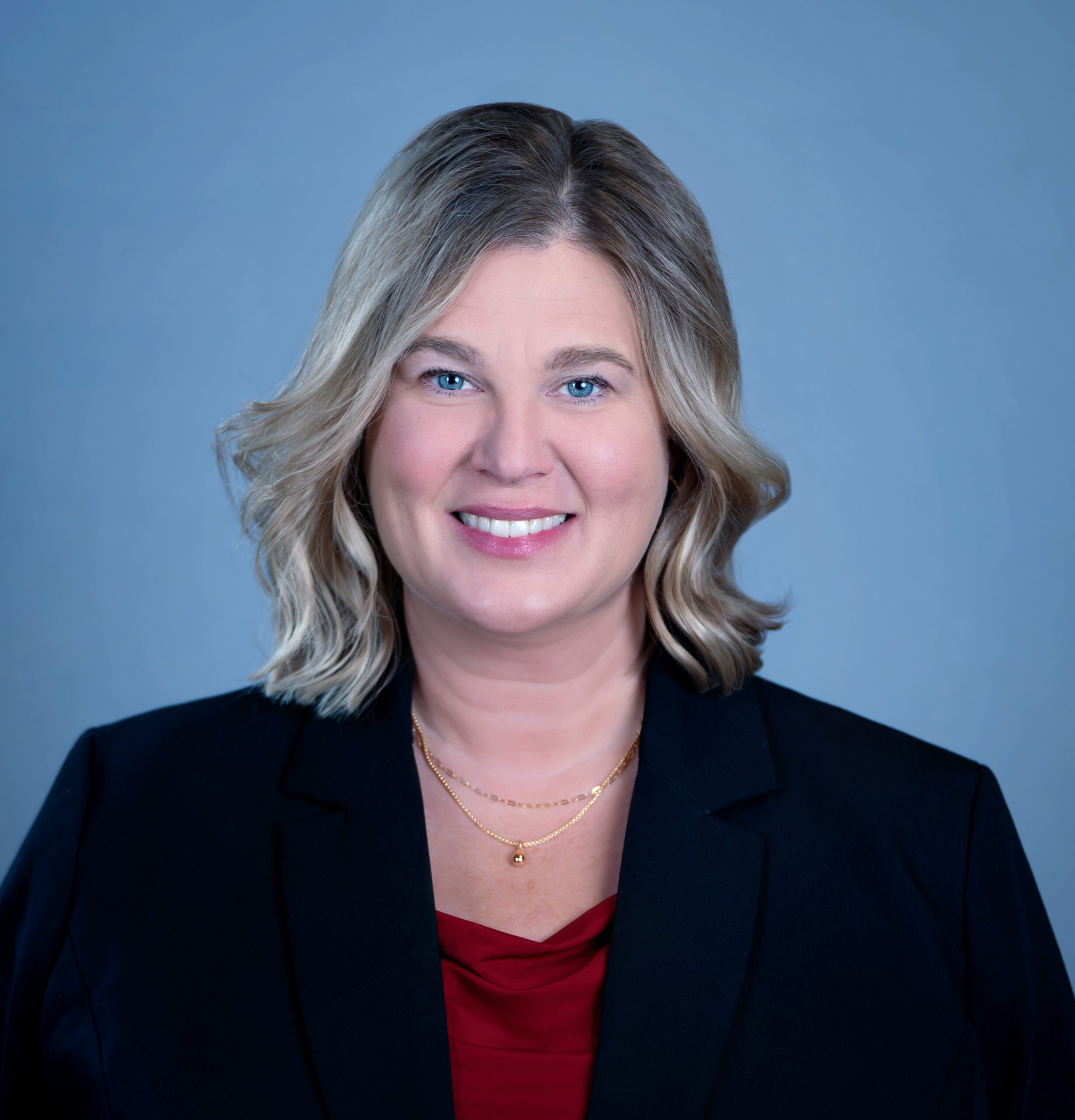
PPA is excited to announce our newest affiliated consultant Rebecca Cienki who adds expertise to our team in the areas of behavioral health integration and Medicaid policy, with particular experience in mental health and substance use disorder systems. She specializes in helping organizations navigate complex policy environments, strengthen care delivery systems, and implement evidence‑based strategies that improve access, quality, and equity. In this new spotlight, you will see why we are happy to have her as a consultant.
You have an amazing resume with a lot of different health care expertise, what inspired your focus in integrated, team-based care?
What inspired my focus on integrated, team‑based care has really been a lifelong commitment to improving access to care—across primary care, behavioral health, oral health, and the support services people need to address health‑related social needs. Throughout my career, I’ve seen how difficult it can be for people to get the right care at the right time, not because of a lack of commitment from providers, but because our systems are often fragmented, siloed, and hard to navigate. That reality became even more personal when I was caring for a medically complex child and experienced firsthand how many doors families are expected to walk through, how often they must retell their story, and how easily gaps in coordination can lead to gaps in care.
Those experiences made it clear to me that improving access isn’t just about adding more services, it’s about bringing them together. Integrated, team‑based models reduce barriers, meet people where they are, lessen stigma, and make it easier to navigate across services. Whether through community health centers, behavioral health integration efforts, or broader multi‑sector initiatives, I’ve been drawn to approaches that intentionally connect medical, behavioral, and social supports so people experience care as a coordinated whole. That commitment to expanding access and reducing the burden on individuals and families has guided my work across settings and continues to shape how I think about system design.
What kind of projects are you excited to engage in?
I’m most energized by projects that sit at the intersection of policy, practice, and community experience together, work where thoughtful analysis and strong partnerships can truly move systems forward. I’m especially drawn to work that improves access to behavioral health, strengthens care coordination, or helps organizations navigate complex change in a way that feels doable and grounded. I also enjoy projects that require listening deeply to stakeholders and translating what I hear into clear strategies, whether that’s through grantmaking, systems transformation, or collaborative planning. Ultimately, I’m excited to support work that brings people together around a shared goal and turns big ideas into practical, meaningful improvements for communities.
Ultimately, I’m excited to support work that brings people together around a shared goal and turns big ideas into practical, meaningful improvements for communities.
Given your extensive work in behavioral health, what is the one specific policy lever in Michigan—whether legislative, regulatory, or budgetary—that you believe hasn’t been pulled hard enough yet to move the needle on access?
Michigan has a long history of leadership in behavioral health, from its strong community‑based CMHSP network to its recipient rights protections and its early adoption of evidence‑based practices and integrated care models. Those strengths continue to serve the state well. At the same time, the Mental Health Code was designed in the 1970s and, despite updates, still reflects an era of county‑based governance, carved‑out specialty systems, and limited provider types. Some of those structures can make it harder to meet today’s needs for integrated care, a more flexible workforce, and easier access points for individuals and families. Rather than a critique of the people working within the system, who are deeply committed, this moment offers an opportunity for thoughtful, collaborative, human‑centered conversations about how Michigan can modernize policy in ways that strengthen access, align incentives, and support the next generation of behavioral health care.
One thing that seems to come up often in your work is finding solutions to complex issues. How do you take on tasks like this that might scare others away?
I approach complex issues with genuine curiosity. I’m a lifelong learner, and while I study data and research, the most meaningful insights come from listening to people who are closest to the issue, including community members, people with lived experience, and stakeholders across systems. I try to talk with people who see the issue from different angles, because that is often where the real insight comes from. From there, I look at the policies, incentives, and historical structures that shape the current state, because misalignment often explains more than individual actions. That combination of deep listening, curiosity, and structural analysis helps me find practical, grounded pathways forward even when the work is messy.
That combination of deep listening, curiosity, and structural analysis helps me find practical, grounded pathways forward even when the work is messy.
In your work on behavioral health and health policy, how do you ensure that the voices of the “people most affected” are actually driving the research findings, rather than just being data points in a final report?
In my work on behavioral health and health policy, I’m intentional about making sure the people most affected by the system are shaping the work, not just informing it. Data and research matter, but they are never the full story. I am currently privileged to support two new projects that bring together people with lived experience, frontline practitioners, and community leaders. Even though these groups are just getting started, the planning process has already reinforced how essential it is to center the voices of those closest to the issues. My goal is to create spaces where members can set priorities, respond to early findings, and help guide the questions we should be asking. I know this is ongoing work, and there is always room to improve how we listen and how we share power. By approaching the work with humility, open conversation, shared decision-making, and a commitment to elevating perspectives that are often overlooked, we can move toward research and recommendations that are more accurate, more relevant, and ultimately more useful for the communities we hope to serve.
As an affiliated consultant for PPA, what drew you to PPA?
I was drawn to PPA because their values and way of working align with how I approach complex systems. They bring integrity, curiosity, and a commitment to practical, community‑informed solutions, which is how I try to show up in my own work. I’ve had the chance to collaborate with members of their leadership in past roles, and those experiences showed me a team that is thoughtful, grounded, and deeply knowledgeable. What stood out most was their clarity about the strengths they bring and their openness to partnering with affiliates whose skills complement their own. That kind of collaboration is important to me. PPA feels like a place where my approach fits naturally and where we can do meaningful work together.
As someone who has likely traversed every corner of the state for site visits, what is a “hidden gem” Michigan destination that isn’t on the standard tourist map?
One of the greatest privileges of my work has been getting to know Michigan in a way most people never do. Spending time in communities across the state has shown me how many beautiful places exist far beyond the usual tourist routes. While I will always love the Lake Michigan shoreline, a quieter hidden gem for me is the Looking Glass River, which is also the namesake of my consulting practice. It is a peaceful stretch of water where I often find myself floating and watching wildlife. For me, it’s a place to slow down, reflect, and have the kinds of conversations that help me stay grounded in what matters most.